

The Gentle Science of Healing at Home: How to Build a Calm Toolkit That Actually Works
When evening light softens the room and your breath slows, your home can become a quiet workshop for steadier days. A healing toolkit is not a shelf of perfect products. It is a simple set of cues and objects that help your nervous system remember safety, one small practice at a time.
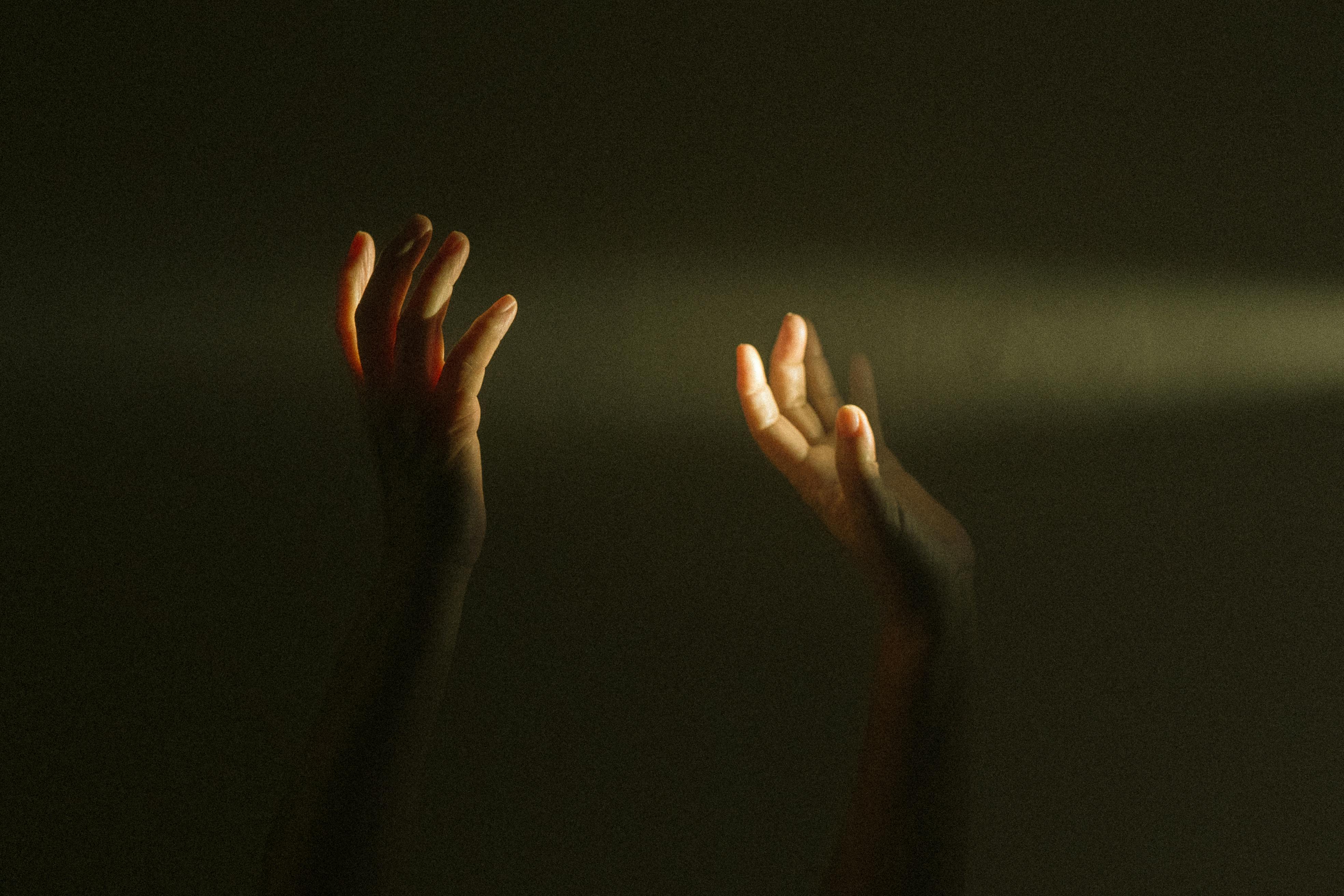
A calm, compassionate walk through body based grounding, breath, and practical tools so you can return to here and now when fear gets loud.
Table of Contents
- The Scene of Calm
- Why This Toolkit Matters
- How to Begin Small
- Creating Your Calm Corner
- What Happens Inside Your Brain
- If You Struggle to Stay Consistent
- Visual Insight
- Your Gentle Daily Flow
- Helpful Tools That Support Your Practice
- Interactive Calm Tools
- References
The Scene of Calm
There is a moment after the day loosens its grip when you can hear your own breath. Maybe you sit by a window, maybe you stand with a warm mug. Calm is not a performance. It is a small return. The tools that follow are meant to be touched and used, not admired from a distance. They invite your body to practice steadiness in short, believable ways.
Your home can become a series of gentle signals that whisper you are safe enough to soften now.
Why This Toolkit Matters
Stress is common and it is treatable. The National Institute of Mental Health explains that anxiety shows up as restlessness, tension, or sleep trouble, yet evidence-based strategies can help. A home toolkit ties those strategies to place and routine so they are easier to use when you need them most. Breathing practices and sensory cues can downshift the body from alarm toward rest. Harvard Health discusses how breath control interrupts the stress response and restores balance. Stanford Medicine reports that five minutes of a simple pattern called cyclic sighing can improve mood and reduce anxiety across a month of practice. These are small inputs with meaningful returns.
How to Begin Small Without Pressure
- Pick one corner you pass every day. Add soft light or a plant.
- Choose one object that feels good in your hands. A journal, a stone, a diffuser.
- Practice for one minute. Inhale for four counts. Exhale for six. Notice your shoulders drop.
Consistency beats intensity. One minute most days builds a strong signal. Over time, your brain begins to recognize the space and the sequence as safe, which makes calm easier to find when life gets loud.
Creating Your Calm Corner

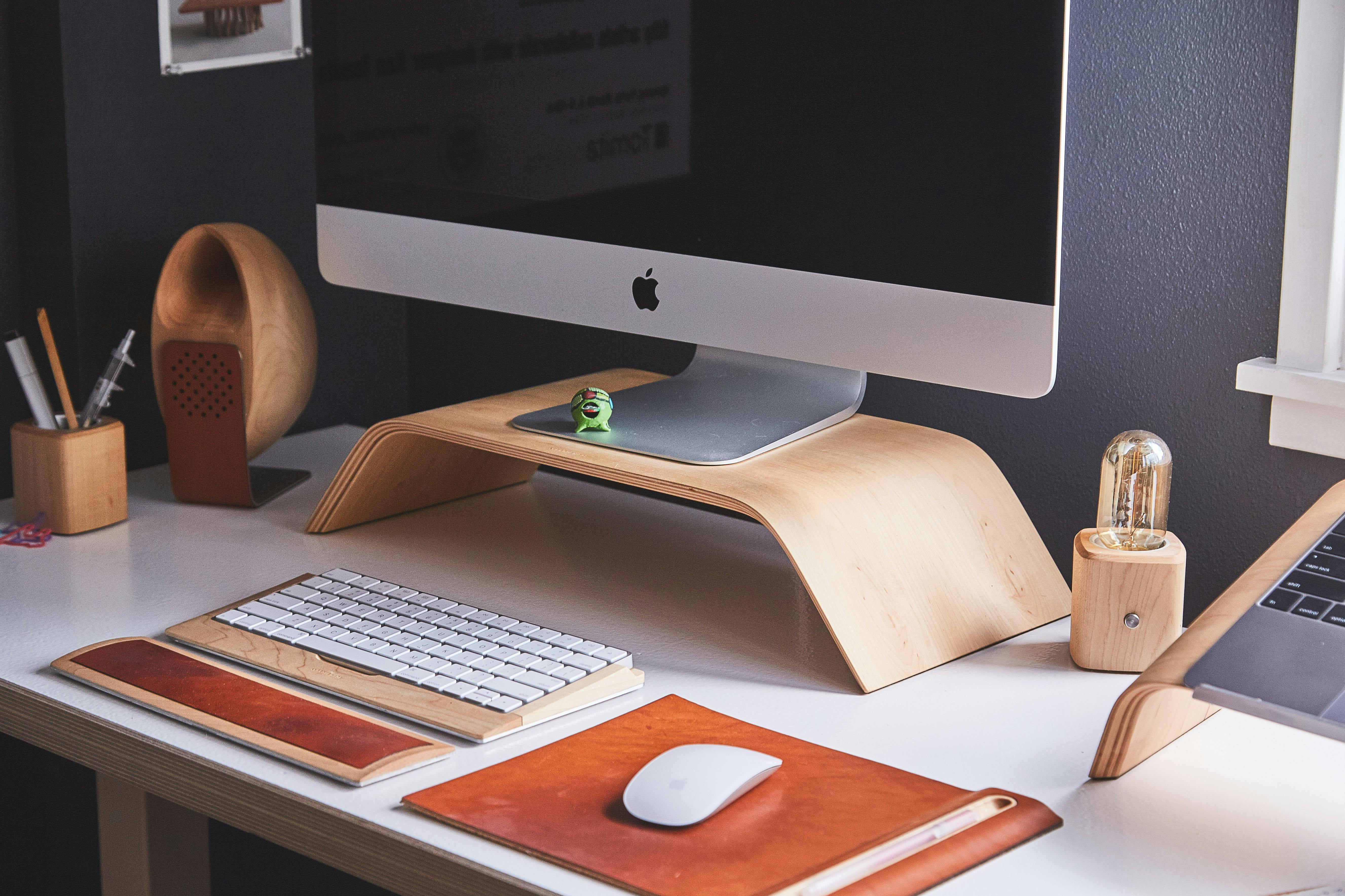
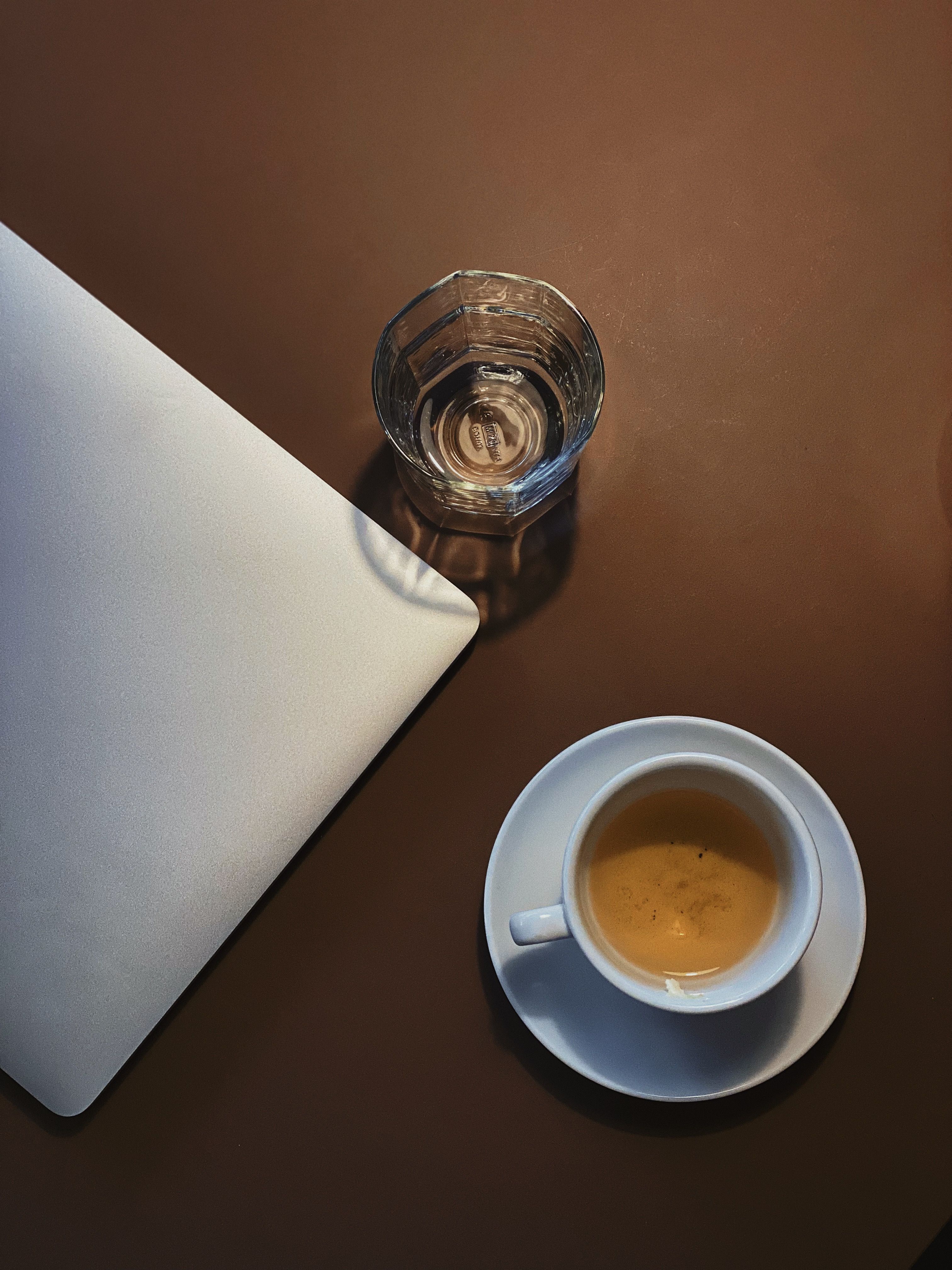
Keep the layout simple. Reduce clutter. Give your eyes one calm focal point and your hands one object to hold. Let scent, touch, and light do quiet work in the background.
What Happens Inside Your Brain
Your nervous system listens to context. Safe light, gentle texture, and slow breath speak a language your body understands. Reviews of breathwork suggest slower paces and sessions of at least five minutes are more effective. That matches real life. A short, repeatable routine works better than a perfect, rare one. Practice is not glamorous. It is kind.
| Tool | Time | Primary benefit | Why it helps |
|---|---|---|---|
| Diffuser with essential oil | 3–5 min | Scent anchors attention | Olfactory input links to limbic system which shapes emotion and memory. |
| Free-flow journaling | 5 min | Less rumination | Externalizing thoughts reduces loops and clarifies next actions. |
| Gentle breath practice | 5 min | Lower stress arousal | Slow exhale engages parasympathetic pathways that downshift the stress response. |
| Tactile object | 1–2 min | Faster grounding | Touch cues presence and interrupts cognitive spirals. |
If You Struggle to Stay Consistent
- Link the toolkit to an existing habit. After tea, sit for one minute in your corner.
- Use a visual timer so time feels safe and finite.
- Make it pleasant. A scent you love makes practice easier to repeat.
- Celebrate micro wins. Two minutes counts. Write it down and move on.
- When you skip a day, return the next. The door is still there.
Next, explore: Build Deep Focus Blocks for Calm Productivity — a gentle guide on how to create daily focus blocks that protect your calm energy, reduce distractions, and make deep work feel lighter.
Visual Insight: How People Use Their Toolkits
Your Gentle Daily Flow
| Time | Duration | Activity | Tool |
|---|---|---|---|
| Morning | 2 min | Arrive at your corner. One slow inhale, longer exhale. | Diffuser, mantra card |
| Mid-day | 3 min | Write three honest lines. Close the journal. | Guided journal |
| Afternoon | 1–2 min | Hold a tactile object. Scan shoulders and jaw. Unclench. | Smooth stone or Gua Sha |
| Evening | 5 min | Breath pattern practice or quiet stretch. | Visual timer + breath cue |
Helpful Tools That Support Your Practice
Choose one to start. The goal is not to collect gear. It is to reduce friction so you practice more often.

Guided Five-Minute Journal
A simple guided practice to bookend your day. Two prompts in the morning, one at night. Small, steady mood gains add up.
View details
Visual Session Timer
Make time feel safe and finite. Set five to ten minutes for breath, journaling, or a single task. Silent operation avoids extra stress.
View details
Stone Essential Oil Diffuser
Ceramic, quiet, and reliable. Use a calm scent to mark the start of your practice. Intermittent setting extends fragrance gently.
View details
Reusable Quiet Ear Plugs
Lower the noise so your breathwork can land. Soft silicone, pocket case, and multiple sizes for a better seal.
View details
Cooling Weighted Blanket
Gentle pressure can feel like a steadying hug. Choose about ten percent of your body weight for a comfortable fit.
View detailsBreath Practice Guide, Printable Cards
Clear instructions you can keep on your desk or phone. Practice becomes easier when the steps are visible.
View detailsQuick Comparison
| Tool | Best for | Time | Why people love it | Get it |
|---|---|---|---|---|
| Five-Minute Journal | Reducing rumination | 2–5 min | Guided prompts, easy habit at morning and night | Link |
| Visual Session Timer | Making time feel safe | 5–20 min | Silent visual countdown for breath or single tasks | Link |
| Stone Diffuser | Anchoring with scent | 3–8 hr | Ceramic build, intermittent setting, gentle aesthetic | Link |
| Quiet Ear Plugs | Noise sensitive moments | As needed | Comfortable, reusable, multiple tip sizes | Link |
| Cooling Weighted Blanket | Deep pressure calm | 20–30 min | Even weight distribution with glass beads | Link |
Interactive Calm Tools
Try these lightweight tools right here. No downloads required.
Breathing Pacer
Focus Timer
Journal Prompt Shuffler
Continue reading: Best Mental Health Journals for Healing — discover how to pick a journal that actually helps you process emotions and heal, not just write.
When Calm Finally Feels Natural
One day you will notice you arrive at your corner without deciding. Your hand reaches for the journal. Your shoulders drop before you ask them to. That is when the toolkit has done its quiet work. Not because stress vanished, but because your body learned a reliable path home.
If you would like to explore more gentle tools or products that can support your healing or growth journey, you can visit here.
References
- National Institute of Mental Health. Anxiety Disorders.
- Harvard Health Publishing. Breath control helps quell the stress response.
- Stanford Medicine. Cyclic sighing can help breathe away anxiety.
- Stanford Medicine Magazine. Cyclic sighing tops other breathing methods for calming down.
- Bentley TGK, et al. Breathing Practices for Stress and Anxiety Reduction, 2023.
- NIMH. Any Anxiety Disorder statistics.

Leave a Comment