
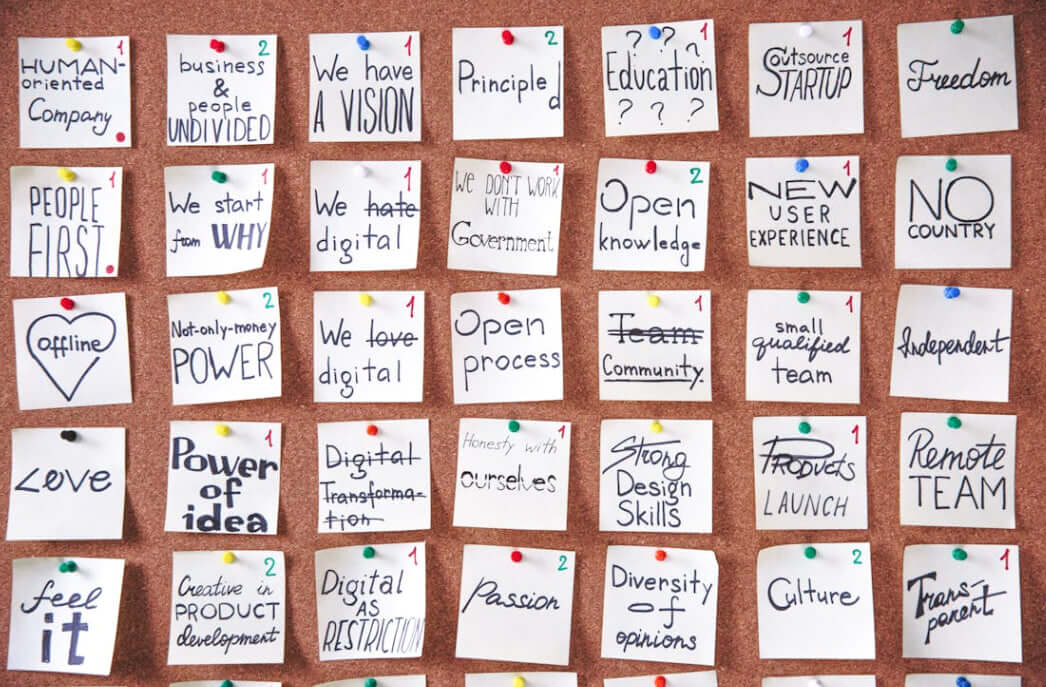
How to Create a Self-Love Vision Board (That Truly Feeds Your Heart)
A gentle, research-backed guide to turn visual intention into emotional healing and daily calm.
Affiliate Disclaimer Some of the links in this article are affiliate links, which means we may earn a small commission if you choose to make a purchase. It doesn’t cost you anything extra in fact, these links also help support this site and allow me to keep sharing more thoughtful, research-based content that might help you on your own growth journey. Thank you for being part of this mindful community!
Gather a few supportive tools so your practice feels calm and enjoyable. All links open in a new tab.
- The Five Minute Journal to capture intentions and gratitude.
- Set Boundaries, Find Peace for compassionate language and self-respect skills.
- YnM Weighted Blanket to soothe the body during reflective sessions.
- Wood-Framed Cork Board for a sturdy, visible base.
- Self-Love Digital Planner on Gumroad if you prefer a tablet-friendly workflow.
- Soft LED Fairy Lights to add a soothing glow around your board.

Have you ever stood before a mirror and felt a quiet ache, a sense that you keep chasing external versions of worth? Creating a self-love vision board is a gentle way to reconnect with who you already are. It is not about perfect aesthetics. It is presence. It is the soft practice of choosing images, words, and small symbols that say you are allowed to rest, to grow, to belong to yourself. This guide brings practical steps, science you can trust, and tools that make the process easy to sustain.
Understanding the Practice

A vision board is a collage of visuals that represent values, intentions, and behaviors you want to live. When you focus on self-love, the board becomes a mirror that reflects the way you want to treat yourself. Verywell Mind describes vision boards as tools that clarify goals and anchor motivation by making values visible and memorable. The purpose is not to create a fantasy life. The purpose is to create a daily reminder of the person you are practicing being.
Choose what evokes safety, softness, and strength. These three feelings form the heart of self-love.
Psychology and Evidence
Research from Harvard Health notes that self-compassion relates to lower anxiety and depression. The APA highlights the role of visualization in strengthening intention. Verywell Mind’s guidance on vision boards explains how images increase self-awareness and motivation by leveraging the picture superiority effect. Stanford’s mindfulness research shows that brief daily practice can reduce stress reactivity, which makes it easier to follow through on the behaviors your board invites.
The takeaway is simple. Repeated exposure to meaningful visuals helps your brain remember what matters. Pair that with small actions and you develop identity-based habits, not just good intentions.
Step-by-Step Guide
Step 1. Set a kind intention
Ask, what does self-love mean for me this month. Rest. Acceptance. Courage. Forgiveness. Write one sentence that feels true. Keep it short and present tense. Example, I treat my body with respect. I speak to myself with warmth.
Step 2. Gather materials, physical or digital
Collect magazines, printed photos, quotes, textured paper, or small keepsakes. If you want an easy start, use a wood-framed cork board. If you prefer digital, a tablet planner works well. The Wood-Framed Cork Board makes updates simple. The Self-Love Digital Planner provides ready prompts and layouts.
Step 3. Create a mood board first
Before gluing anything, collect twenty to thirty images in a folder or pile. Look for feelings rather than trophies. Choose soft light, forests, warm tea, a safe living room, handwritten notes. Remove any picture that pressures you to be someone else.
Step 4. Choose a simple layout
Divide the board into three loose zones. Body kindness. Emotional safety. Creative energy. Or select monthly themes. Keep it breathable. White space lets the eye rest. Add one or two quotes in large type for anchors. If perfectionism rises, pause and breathe. Progress beats polish.
Step 5. Place it where you will see it
Visibility creates repetition. Hang it by your desk or near a mirror. Add a small light string if it helps you notice it in the evening. These Soft LED Fairy Lights are a gentle, low-cost touch that increases the chance you will actually use the board.
Step 6. Pair visuals with micro actions
Each image should suggest a two minute action. Forest path means step outside for fresh air. Tea cup means drink water slowly after lunch. Quote about kindness means ten seconds of hand on heart breathing. The magic lives in the tiny behavior that follows the glance.
Step 7. Support your body while you reflect
After heavy days, downshift the nervous system so compassion can land. A warm shower. Slow exhale. If deep pressure calms you, a weighted blanket can help. The YnM Weighted Blanket is a well reviewed option many readers enjoy in their wind down routine.
Step 8. Close the loop with reflection
Before bed, write two lines. What image spoke to me today. What tiny action did I take. The Five Minute Journal keeps the practice short and gentle so you actually do it.
Vision Board Kits That Make It Easy to Begin
If you’d like to start building your self-love or manifestation board without collecting materials from scratch, these two all-in-one kits make it simple, calm, and creative.

Vision Board Kit for Women
The Vision Board Kit for Women includes 168 cards filled with soft-toned, motivational images and quotes curated for emotional balance and creativity. Its foldable design and neutral colors bring elegance to any desk or wall — perfect for mindful mornings or reflection nights.

Vision Board Kit for Men
The Vision Board Kit for Men features 168 minimal, dark-themed cards focusing on clarity, purpose, and focus — ideal for professionals or anyone who prefers clean visual organization. It’s practical, reusable, and folds neatly for easy storage or display.
Practical Checklists and Prompts
Image choosing checklist
- • Does this image make my shoulders drop or tense.
- • Does it reflect how I want to feel rather than what I think I must achieve.
- • Can I name a two minute action that matches it.
- • Will this still matter to me in three months.
Prompts for the board center
- • I rest without guilt.
- • I speak to myself with warmth.
- • I allow slow mornings when my body needs them.
- • I protect small pockets of silence each day.
Placement tips
- • Put the board at eye level near a daily habit like coffee or skincare.
- • Keep scissors, tape, and a small envelope of clips nearby so updates are easy.
- • Schedule a monthly refresh. Remove anything that now feels like pressure.
Prefer a clear script for weekly practice. Pair your board with compassionate language from Set Boundaries, Find Peace. Use a high quality board surface so editing stays simple with a Wood-Framed Cork Board.
Common Pitfalls and Gentle Fixes
| Pitfall | What happens | Gentle fix | Helpful tool |
|---|---|---|---|
| The board gathers dust | It becomes decor. No behavior change follows. | Set a one minute glance habit after brushing teeth. Name one two minute action. | Self-Love Digital Planner |
| Images feel like perfection goals | Comparison grows. Compassion shrinks. | Replace aspirational photos with cozy, ordinary scenes you can repeat today. | Five Minute Journal |
| Too many themes at once | Overwhelm and avoidance. | Choose three themes for thirty days. Archive the rest in an envelope. | Cork Board |
| Body stays tense after reflective work | Follow through fades. You abandon the routine. | Use breath, warmth, or gentle weight to teach safety to the body. | YnM Weighted Blanket |
Your Daily Touchpoints of Self-Love
Small repetitions make the practice real. Use this weekly rhythm and customize it to your life.
| Moment | Practice | Purpose | Helpful tool |
|---|---|---|---|
| Morning, 2 minutes | Stand near the board. Touch one image. Say the matching sentence out loud. | Reinforces identity and intention. | The Five Minute Journal |
| Midday break, 1 minute | Glance at a calming image. Do a twenty second slow exhale. | Downshifts stress and keeps the board alive. | Soft LED Fairy Lights |
| Evening, 5 minutes | Write two lines. What resonated. What small action followed. | Creates a learning loop and gentle accountability. | Self-Love Digital Planner |
| Weekend refresh, 10 minutes | Remove one stale image. Add one photo that fits this season. | Keeps it relevant and personal. | Wood-Framed Cork Board |
Digital vs Physical
Choose what you will genuinely use. Many readers keep a small physical board and a digital phone wallpaper for travel days.
Real Reflection from Documented Practice

Verywell Mind’s overview of vision boards describes how choosing images that resonate with personal values can increase self-awareness and motivation. In practice notes shared by therapists and coaches, clients recovering from burnout often create boards centered on rest and boundaries rather than achievement. Over weeks, people report fewer anxiety spikes and better follow through on simple routines like morning light, water before coffee, and ten minute walks. This pattern aligns with Harvard Health guidance on self-compassion, which is associated with lower anxiety and better mood regulation. It is not a miracle. It is repetition. Image, breath, one tiny action, and a short reflection each day.
Closing Thoughts
Creating a self-love vision board is less about manifesting another self and more about remembering the one who is already here. Let your images be honest, your actions small, and your reflection consistent. When you treat yourself with quiet respect, your days begin to soften. Your choices follow the feeling of safety you have been practicing all along.
If you would like to explore more gentle tools or products that can support your healing or growth journey, you can visit here.
🪞 More to Explore on HealCover
If you enjoyed this guide, you might also find these healing practices helpful:
References
- Verywell Mind. How to Use a Vision Board to Achieve Your Goals.
- Verywell Mind. How to Be More Intentional.
- Harvard Health Publishing. Four Ways to Boost Your Self-Compassion.
- Harvard Health Publishing. The Power of Self-Compassion.
- American Psychological Association. APA Dictionary: Visualization.



Leave a Comment