

Before You Break, How to Prevent Burnout Before It Happens
A calm and research-supported guide to noticing early signals, building daily protection, and choosing tools that help you heal while you work.
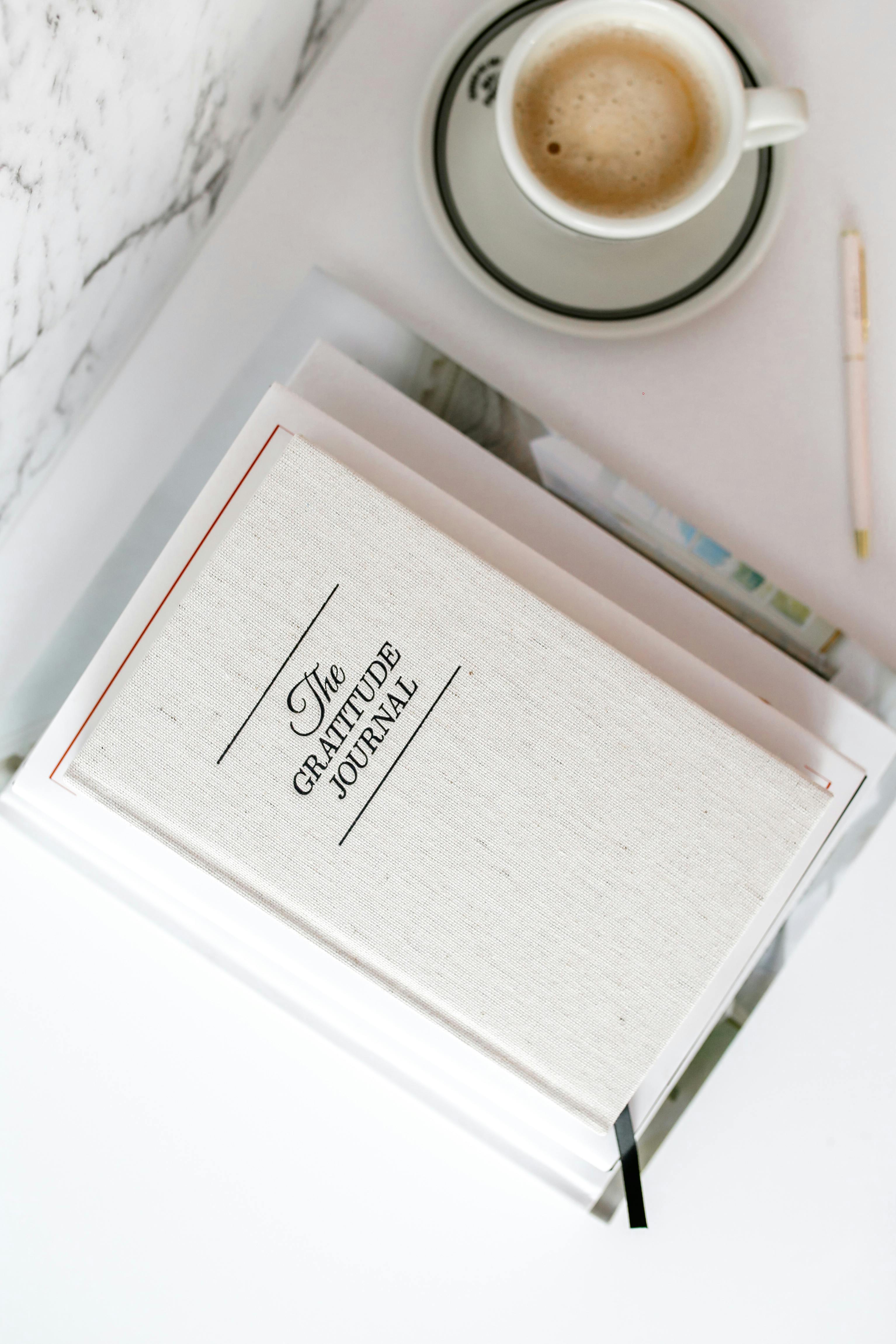
Many people wait until exhaustion has already taken root. In practice, prevention begins much earlier. You notice that your patience feels thin by noon, your attention drifts during simple tasks, or sleep looks long on paper but does not feel restorative. These are useful signals. Burnout is rarely the result of one bad week. It often reflects a gap, demands on one side and resources on the other. The work of prevention is to narrow that gap with decisions you can sustain.
What burnout is and why early care matters
Burnout involves emotional exhaustion, a reduced sense of accomplishment, and a growing distance from work or roles that used to matter. A helpful way to think about it is the Job Demands and Resources perspective. When demands rise without the support that helps you recover, risk increases. When you add rest, agency, social support, skill building, and thoughtful routines, risk decreases. This balance is not theoretical. People feel it in their mood, their focus, and the way they relate to others.
Practical skills support the balance. Relaxation techniques, cognitive strategies that challenge unhelpful thoughts, brief movement, and consistent sleep are simple to describe yet powerful in daily life. These foundations are often recommended by reputable clinical resources for a reason. They help across many kinds of roles, including fast paced jobs and caregiving.

Early signs you should not ignore
You do not need every sign to take prevention seriously. Two or three that persist over a few weeks are enough to begin.
- Waking up tired and feeling flat before the day begins, even after adequate time in bed.
- Short fuse in ordinary conversations, or a restless scroll that does not refresh you.
- Recurring tension in your jaw and temples, especially late afternoon.
- Growing cynicism about tasks that used to hold meaning.
- Sleep that looks fine in numbers but feels shallow in the morning.
If two or more are present most days, reduce load where possible and add a protected recovery block this week. Short breaks and earlier device cutoffs tend to support both mood and clarity.

Tools and techniques that make prevention real
1. Boundary scripts you can actually use
Boundaries are not about being difficult. They protect your ability to show up well. Try language that is specific and kind. For example, I can deliver feature A by Thursday, I can begin feature B next week. Or, I am off devices after 8 pm, I will reply in the morning. Autonomy reduces risk. People who feel they have some choice in timing and method often experience less strain.
2. A five minute check in that fits busy days
Sit comfortably. Name one sensation, one thought, and one emotion. Ask, what is one thing I can set down today. This tiny practice takes a few minutes and functions like a reset. It blends mindfulness with practical planning. Many people find that they return to tasks with clearer attention after a check in like this.
If you like prompts, a structured option is The Five Minute Journal. A page a day is plenty. The point is consistency, not volume.
3. Sleep and light, a quiet backbone for resilience
Aim for a consistent sleep window and gentle morning light. These two habits stabilize circadian rhythm and tend to improve stress tolerance. If early light is hard to access, you can simulate it with a bright light device near breakfast for short sessions. Combine this with an evening routine that signals the end of the workday.
A common choice for light is the Verilux HappyLight. Keep it at a comfortable distance, start with short durations, and avoid late evening use.
4. Move with intention and kindness
Movement does not need to be dramatic to be effective. Ten minute walks placed between tasks can be easier to maintain than long sessions that you often skip. Short, regular activity supports mood, improves sleep, and helps you feel more capable on demanding days.
5. Close the day with a signal of safety
Your body benefits from a clear signal that the day is winding down. Dim lights, a warm shower, and a calming scent can help. Pick one or two, not everything at once. When the ritual ends, let devices rest for the night.
If scent helps, an accessible diffuser is the InnoGear Essential Oil Diffuser. Set a thirty minute timer so the ritual concludes without effort.
Energy and load, a simple sketch for weekly review
If the energy line stays below the load line for three or more days, reduce commitments by ten to twenty percent and protect one recovery block this week.
A real world scenario, pivot before crisis
Consider Mara, a nurse who is also in graduate school. By noon she felt impatient and by Sunday night she felt more tired than she did on Friday. She began a five minute morning journal, took a ten minute walk at lunch, and told her supervisor that she would cap charting at thirty minutes after her shift. She also set a weekly call with a friend who makes her laugh. In two weeks her mood steadied. Her calendar did not shrink much, yet she no longer felt brittle.
For some people, physical comfort helps the body settle. A common option is the YnM Weighted Blanket. Choose roughly ten percent of your body weight and use it briefly during evening wind down.

Daily micro practices you can keep
Sustainable habits are small, specific, and tied to events that already happen. Think of them as anchors, not chores. Start with one or two, then add more if they prove helpful.
| Moment | What to do | Why it helps | Optional tool |
|---|---|---|---|
| First five minutes | Write one sensation, one thought, one intention | Increases awareness and reduces rumination | Five Minute Journal |
| Midday break | Walk outside or stretch for ten minutes | Resets attention and lowers stress reactivity | timer 10:00 |
| Late afternoon | Paced breathing, inhale four counts, exhale six | Downshifts the nervous system | Diffuser |
| Evening wind down | Dim lights, close laptop, read or stretch, no inbox | Protects sleep and recovery | Light device |
| Weekly review | List three drains and three energizers, adjust one item | Moves you from autopilot to intention | note, Energize vs Drain |
These practices align with common clinical guidance, track thoughts, use relaxation skills, move your body, stay connected, and protect sleep.

The psychology behind what works
Demands drain energy. Resources restore it. The more clearly you see both sides, the easier it becomes to choose strategies that match your situation. Boundaries help because they return some control and reduce uncertainty. Sleep routines help because they steady the system that governs energy and attention. Short breaks help because focus recovers in cycles. Social connection helps because it changes how stress feels and how long it lasts. None of this is flashy, yet it is powerful when practiced consistently.
If you supervise others, remember that prevention is not only an individual task. Clarify roles, reduce unnecessary switching, and allow focused time. Small policy choices can shift culture. People do better when they feel trusted and when recovery is treated as part of the work, not a private luxury.
When to seek extra help
Consider professional support if exhaustion becomes persistent, if sleep or appetite changes last more than two weeks, or if you feel hopeless. Many universities, clinics, and employers offer counseling or coaching resources. A planned mental health day can be useful when you feel overwhelmed or less productive and need a reset. The goal is not avoidance. It is to return with steadier energy and clearer priorities.
Closing reflection
Stand in your kitchen at dusk. Let the warm light soften the room. Place a hand on your chest and one on your belly. Ask, what can I set down tonight. Prevention is less about doing more and more about choosing wisely. Protect your attention. Protect your rest. Protect the parts of you that make life feel like life.
Gentle note. If you want to explore gentle tools that support healing and growth, see the options above and choose one small step that feels realistic this week.
References
Workplace burnout overview
American Psychological Association, guidance for recognizing and addressing burnout risk in organizations and individuals.
Job Demands and Resources
Demerouti E, Bakker A. The JD R perspective describes how demands increase risk and resources protect against it in practical ways.
Stress skills in daily life
Harvard Health Publishing, practical advice for reframing unhelpful thoughts, improving sleep, and setting realistic plans.
Mindfulness micro practices
Stanford resources for brief body scans and breathing between tasks, helpful for attention and stress recovery.
Self care for caregivers
Harvard Health, how sleep, nutrition, and routine support reduce burnout risk especially in demanding care roles.
Everyday mental health
Common clinical guidance, track thoughts, use relaxation, move regularly, stay connected, and protect sleep.







Leave a Comment