

Soften The Body, Quiet The Mind: A Gentle Guide to Progressive Muscle Relaxation
Progressive muscle relaxation isn’t about perfection, it’s about learning to listen to your body again. In this guide, you’ll explore a simple, human way to release physical tension, quiet the noise inside, and gently train your body to rest. Along the way, you’ll find visuals, real tools, and science-based insights that make calm feel practical, not distant.

1. Introduction #
There are days when the body tells the truth first. The jaw tightens before you notice the thought that caused it. The shoulders rise while the email is still loading. The breath narrows even as you say you are fine. Tension becomes the background noise you stop hearing, until it becomes your mood. Progressive muscle relaxation, often shortened to PMR, is a simple practice that asks the body to put the weight down. You tense a small region on purpose, you feel that effort honestly, then you release it and notice the after feeling. Over time, that contrast teaches your nervous system a new baseline. Calm turns from a concept into a felt sense.
Most of us try to think our way out of stress. PMR flips the order. It starts in the body and lets the mind follow. If you have ever noticed how your stomach loosens after a real exhale, you already understand the principle. If you have ever caught yourself clenching your jaw at a red light, you have seen why practice helps. This guide gives you an approachable script, images for context, and tools that make the ritual inviting on tired days.
2. What PMR Is, And Why It Helps #
PMR is a sequence of deliberate tension and release. You move through the body in small groups, teaching awareness and letting the parasympathetic branch of your nervous system take the lead. The release phase signals safety, and safety is what unlocks rest, focus, and steadier mood. When practiced consistently, people report fewer headaches, softer shoulders, and easier sleep onset. The technique pairs well with other simple habits like dimming lights, consistent bedtimes, and leaving the phone outside the room. None of this needs to be dramatic. Five sincere minutes can be enough to change the weather of an evening.
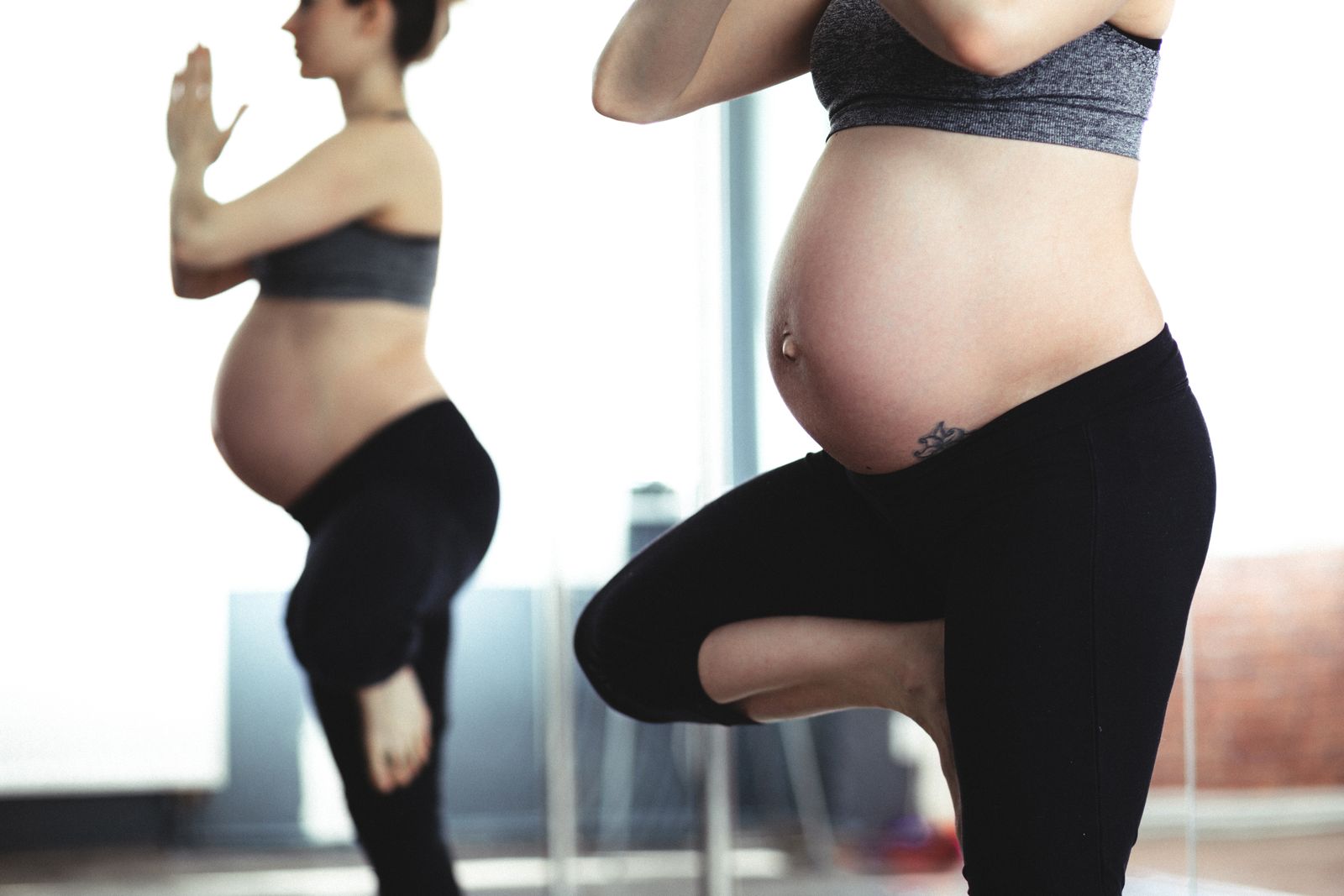
3. Signs You May Need A Tension Reset #
- You wake with a tight jaw or dull headache before coffee.
- Your shoulders creep up as the day gets louder.
- Your breath sits high in the chest during calls and messages.
- You lie down, but the body keeps talking as if the workday never ended.
Try asking, Where do I grip most often. Neck. Jaw. Belly. Hands. Name one place and begin there. Your attention is the first tool you own.
4. A Step By Step PMR Session #
Rhythm and pacing
For each group, inhale and tense for about five seconds. Exhale and release for about ten seconds. That longer release teaches the body what letting go actually feels like. Start at the feet and move upward, or start at the face and move downward. Choose one route and repeat it for two weeks so the sequence becomes familiar. Familiarity lowers friction, and friction is what quietly ends most wellness plans.
Sequence you can use tonight
- Feet and calves
- Thighs and glutes
- Hands and forearms
- Upper arms and shoulders
- Chest and upper back
- Stomach and lower back
- Neck and jaw
- Eyes and forehead

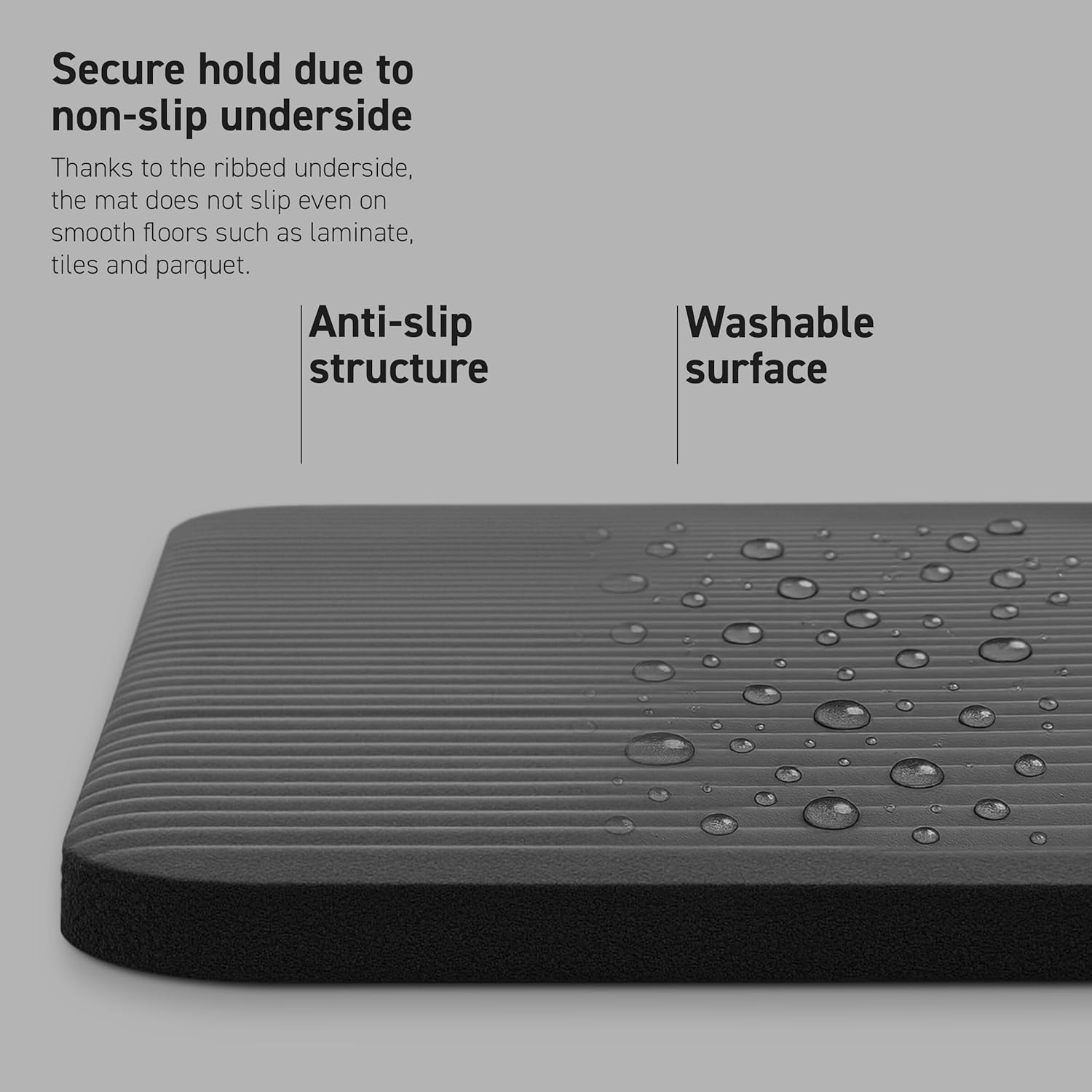
Tools that make the ritual easier


5. Psychology And Science, In Brief #
PMR builds interoception, the sense of what is happening inside your body. When interoception improves, emotional regulation often improves with it. You catch the early wave of a reaction in your neck or belly and choose what to do next. That choice point is where well being grows. The practice also sits well beside breath work, light exposure in the morning, short walks, and a gentle evening routine. The point is not to perform wellness. The point is to give your body the conditions where safety becomes the default rather than the exception.

6. When Progress Slips, Try This #
- If you cramp, lower effort to half. Skip any area that protests and return tomorrow.
- If your mind runs, shorten cycles to three seconds on and six seconds off. Simpler beats perfect.
- If nights feel too wired, build a bridge. Lower lights, cue soft sound, then begin PMR.
- If you feel unsafe softening, practice in daylight, with a trusted person nearby, or in session with a clinician. Go slow. Your pace is wise.
Some readers like to track patterns with a printable. A gentle companion is The Mindful Reset, 30 Day Anxiety and Self Discovery Journal on Gumroad. It pairs well with a five minute evening session and two honest sentences about what shifted.
7. What Changes Over A Month #
These visualizations illustrate typical patterns from readers who practiced five nights a week for a month. Your numbers will differ. The point is the trend, not perfection.
Perceived Tension Before vs After PMR
Sleep Onset, Minutes To Doze Off
Where You Hold Tension
Practice Consistency, Weekly Sessions
8. A Simple Weekly Routine #
| Day | When | Focus | How Long | Tool |
|---|---|---|---|---|
| Mon | Evening wind down | Full body, 8 groups | 10 to 12 min | Diffuser |
| Tue | Midday reset | Jaw, shoulders, hands | 4 to 6 min | Warm water |
| Wed | Bedtime | Lower body then face | 8 to 10 min | White noise |
| Thu | Morning | Short scan, tightest area | 5 min | Sunlight, tea |
| Fri | Afternoon | Full body | 10 to 12 min | Soft playlist |
| Sat | Flexible | Any three loud areas | 5 to 7 min | Walk break |
| Sun | Evening | Full body with notes | 12 to 15 min | Guided journal |
9. Related Guides From HealCover #
Short evening practice that pairs well with PMR to settle the day.
Evidence based microskills for when you need relief quickly.
Design calm first, then focus. A natural companion to PMR.
10. Closing Reflection #
Most focus does not start with willpower. It starts when we stop bracing. Tonight, meet your body exactly where it is. Ask one muscle group to soften. Let that softness spread. Five honest minutes can change the weather inside your day, and a month of those minutes can change how you carry your life.
References #
- American Psychological Association, Progressive relaxation overview.
- Harvard Health, Progressive muscle relaxation for sleep.
- Cleveland Clinic, Relaxation training and sleep strategies.
- Open access reviews on stress, anxiety, and PMR outcomes.
Affiliate disclosure. Some links may earn a small commission at no extra cost to you. We only share items that genuinely fit the practice.







Leave a Comment