

How to Create Deep Focus Blocks and Stay Calmly Productive Every Day
Morning light on the desk. A single task in clear handwriting. A quiet breath that says try now. Deep focus is less about force and more about building a small home for your attention to rest inside.
Quiet Helpers for Deep Focus
Choose one or two anchors. Let them be simple. Repetition is what turns them into cues.

Deep Work, a gentle push
Cal Newport’s classic helps you protect attention in a noisy world. Short chapters, strong ideas.
Deep Work (Amazon)
Time Timer Original 8″
A clear red disk that makes time feel finite and friendly. Great for time anxiety.
Time Timer Original (Amazon)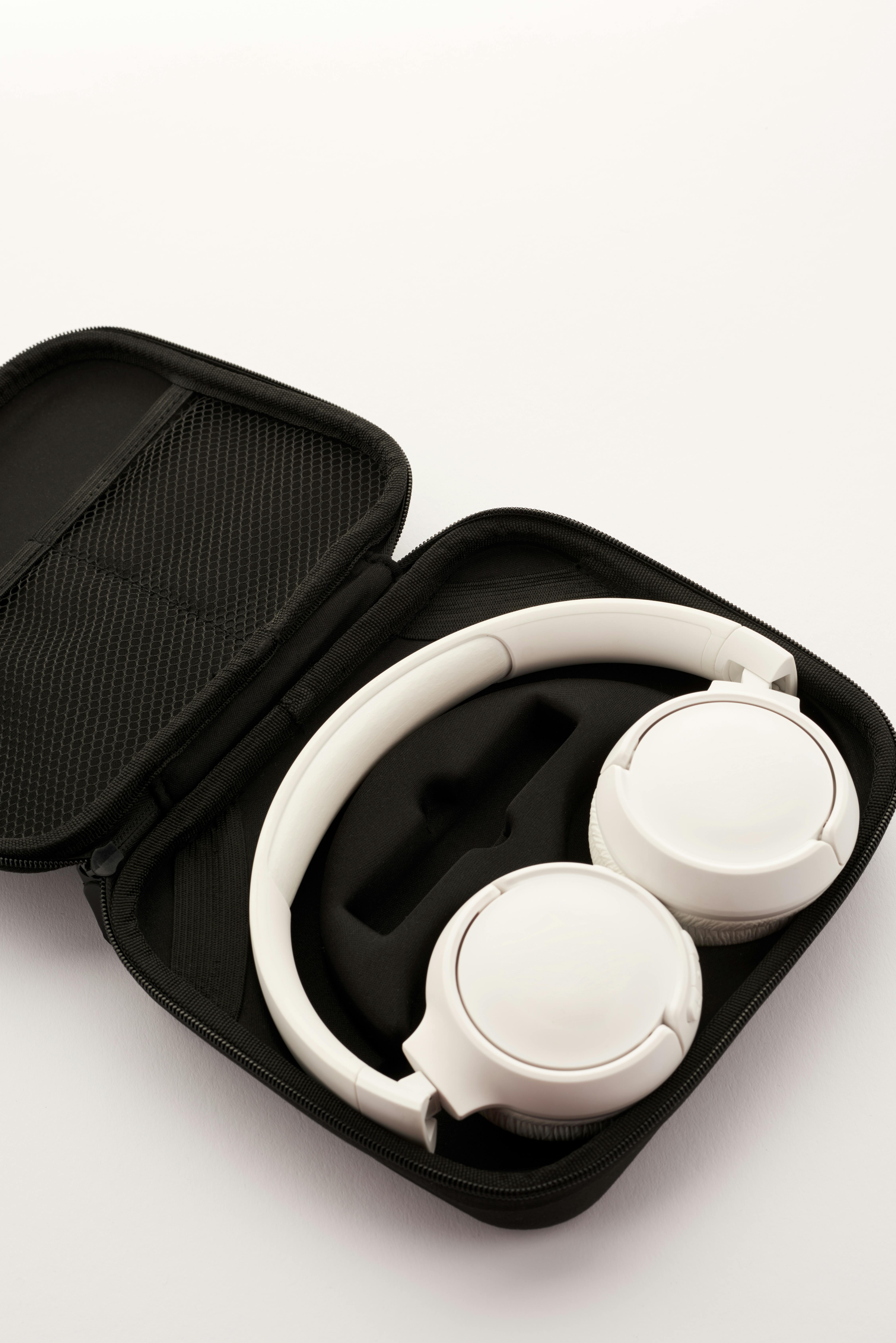
QuietComfort for your ears
Soft over-ears reduce background chatter and create a kinder bubble for work.
Bose QuietComfort 45 (Amazon)Prefer a minimal digital setup for reading drafts. Try the paper feel of a Moleskine Classic Notebook (Amazon) for review and one-line goals. Want paper tools for quick resets. Use Printable Breathing Cards (Gumroad).
A Quiet Doorway into Deep Work
You do not need a perfect schedule to enter deep work. You need a moment that feels believable. Clear the table. Write one line. Let the timer sit where you can see it. This is not about pushing yourself harder. It is about making a small container where your attention can pause, uncoil, and aim.
If you notice the urge to check something, smile at it like a friendly dog that wants attention. Then keep walking toward the task that matters. Deep focus is a gentle skill. It grows with practice.

Why Focus Matters Now
Sustained attention improves learning and creative output. More quietly, it improves how you feel about yourself. When you complete a deep block you remember yourself as capable. Harvard Health describes how ongoing stress reactions narrow breath and keep the body in a light alarm. A repeatable focus block can soften that cycle and give your attention a safe lane.

The Patterns That Break Our Focus
Micro alarms
Each ping is a small alert. Even if you ignore it, your body prepares. Try a mode where only truly urgent calls get through.
Vague tasks
If your task is foggy, your brain will protect you by finding a different task. Give the block a visible finish line.
Time anxiety
A friendly timer shrinks the abstract into something finite. Time feels safer when you can see it.

Write the one line
In this block I will draft the opening and sketch three subheads. Let that be enough for now.
Deep Work helps you protect the blockLet the circle breathe. When your shoulders climb, slow down to match it.
Your Deep Focus Toolkit
1) Prepare a clean start
Keep only what the task needs. Water within reach. Phone in the hall. One-line outcome visible.
2) Time the work, protect the rest
Try 45 on and 10 off. Or 60 and 10. Or the classic 25 and 5 for beginners. Rhythm builds trust.
3) Sound as a boundary
Neutral sound without lyrics helps many people. If your space is loud, comfortable over-ears can help.
4) A soft ending
Two minutes to wrap. Save, jot next step, stand, sip. Begin the next block already warm.

Ergonomics help attention
Comfortable hands keep you from fidgeting. Less micro discomfort, more steady work.
Logitech MX Master 3S (Amazon)
Visual time, gentle start
For people with time anxiety, the arc makes the session feel finite and friendly.
Time Timer MOD Home (Amazon)If digital noise often pulls you away, you might like our gentle guide Minimalist Screen Time Habits for Focus and Calm. For quick resets between blocks, print Breathing Cards (Gumroad).
Mind Science, Warm and Simple
Deep focus leans on executive networks while quieting mind wandering. Slow breathing can soften the stress system, which makes concentration more available. Harvard Health explains that breath control helps calm an overactive stress response. Stanford researchers report that a few minutes a day of cyclic sighing supports mood and anxiety across weeks. When your arousal is steadier, your attention lands with less fight.

A Small Story of Making Space
Adam told himself he was not a morning person. He tried a smaller promise instead. One line in a notebook. Timer to forty. Phone in the kitchen. Week one felt awkward. Week three felt possible. By week five he ended more days with a clean feeling. The projects had not changed. The container had.
When was the last time you let one thing have your full attention, even for a short while.
Let this be an invitation. Choose a block this week. Keep edges kind. Begin where you are.
A Softer Focus Routine
Customize minutes to your energy. Keep the cadence gentle and predictable.
| Phase | Minutes | What You Do | Helpful Tool |
|---|---|---|---|
| Prime | 3–5 | One-line goal, two slow breaths, clear desk | Moleskine Classic Notebook |
| Focus Wave | 45–60 | Single task, headphones, timer visible | Time Timer Original |
| Noise Boundary | As needed | Over-ear comfort, neutral sound | Bose QC45 |
| Micro Reset | 5–10 | Stand, sip water, one breath card, stretch | Breathing Cards (Gumroad) |
| Review | 3–5 | Save, jot next step, queue next block | Deep Work |
| Ergonomics | Ongoing | Comfortable mouse to reduce micro strain | Logitech MX Master 3S |
Visual: 90-Minute Focus Block
Some days 45 minutes is right. Other days 75. The win is to protect one meaningful block most days.
A Gentle Closing
Deep focus is care. Not just for the work, for the self who wants to feel capable. Start small. Protect one block. Let your tools be simple and repeatable. Capability grows quietly when given a steady home.
If you’d like to explore more gentle tools or products that can support your healing or growth journey, you can visit here.
References
- Harvard Health. Breath control helps quell the stress response.
- Stanford Medicine. Cyclic sighing can reduce anxiety and improve mood.
- National Institute of Mental Health. Anxiety disorders overview.
- Bentley, T. G. K., et al. Breathing practices for stress and anxiety reduction. 2023.
- Cleveland Clinic. How to do the 4-7-8 breathing exercise.






Leave a Comment